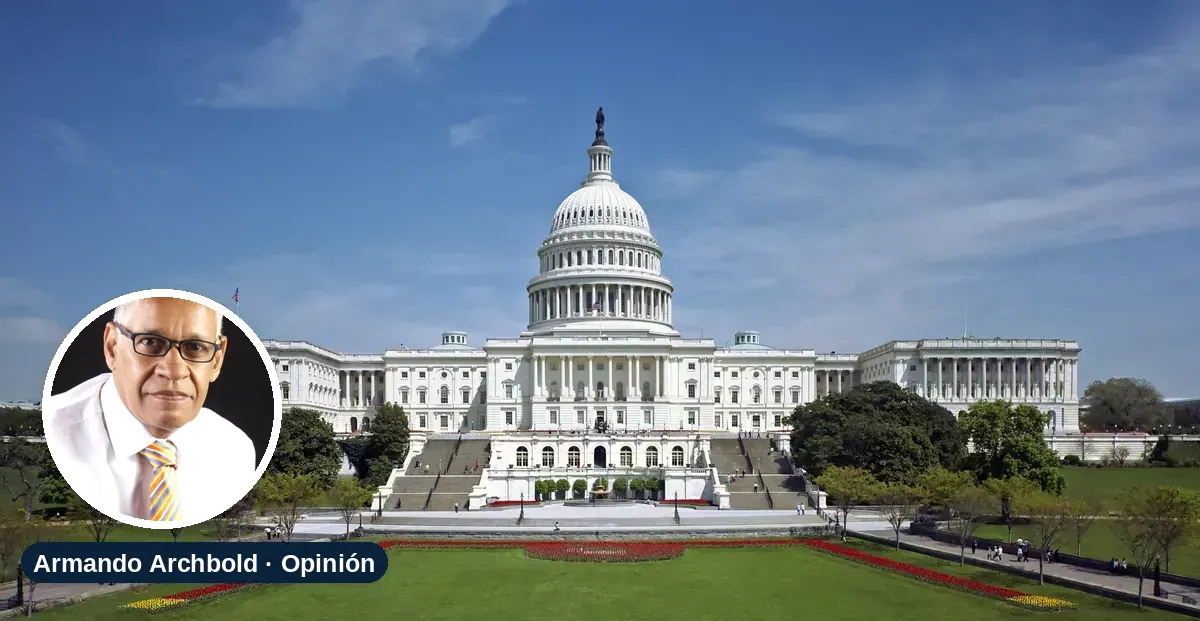
U.S. news projections — including AP, NBC News and The Guardian — agree: Democrats took both chambers of Congress after the Nov. 3, 2026 vote. In the Senate, the shift included flips in states that until recently looked out of reach: Texas, Kansas, South Carolina, Ohio, Iowa, North Carolina and Maine, among others. In the House, the Democratic majority settled with a wide margin. In practice, it is the “Democratic sweep” Bogotá feared.
Colombia’s bet on Trump
President Abelardo de la Espriella, elected in 2026 and in office since Aug. 7, aligned Colombia with Donald Trump’s Republican agenda. He announced and formalized entry into the Shield of the Americas (Americas Coalition Against Cartels), opened the door to resuming aerial spraying of illicit crops — including glyphosate, after repealing the resolution that had suspended it — authorized the joint Vanguardia del Sur 2026 exercise with more than 300 U.S. troops at Tolemaida, and received Washington’s announcement of a security-aid package of up to USD 1 billion, subject to cooperation with Congress.
He also openly backed Republican candidates — among them Florida Rep. María Elvira Salazar — prompting a public rebuke from Democratic Rep. Gregory Meeks, who called a foreign head of state’s intervention in a U.S. election “unacceptable” and warned it could erode bipartisan support for the Colombia–U.S. relationship.
Five implications for Bogotá
1. Budget and security aid. Congress controls appropriations. With Democrats holding both chambers, the up-to-$1B package and military/police assistance will face tighter scrutiny, possible cuts or stricter conditions — human rights, alternative-development indicators, limits on spraying. Democrats have historically preferred combining eradication with rural investment, and in October 2026 a group of Democratic lawmakers asked Marco Rubio to withdraw U.S. backing for resumed aerial spraying. Under the Leahy Law and related tools, conditioning the money is relatively easy.
2. More oversight and hearings. Democratic Foreign Affairs and Appropriations committees — with figures such as Meeks — can call hearings on the U.S. military presence, counternarcotics policy, human rights and the use of aid. That alone does not stop the Trump executive’s foreign policy (Rubio, Vance, Hegseth), but it raises the noise, the conditions and the political cost of each decision.
3. The focus of cooperation. There will be pressure to shift from a predominantly militarized, spraying-heavy agenda toward crop substitution, alternative development and judicial institutions. The relationship does not break — Plan Colombia and two centuries of alliance leave a bipartisan floor — but the blank check for the hard line gets harder.
4. Trade and other files. The CTPA has labor and environmental chapters Democrats can press more aggressively if they see labor rollbacks or environmental harm tied to spraying. Migration (Darién), extraditions and critical minerals remain priorities for Washington regardless of party; Colombia keeps leverage there.
5. Domestic politics. The government can cast Washington’s scrutiny as a “sovereignty” narrative against the opposition. At the same time, Colombia’s opposition gains an additional institutional forum in the U.S. Congress. De la Espriella will have to cultivate bipartisan interlocutors — something the recent history of the relationship has always required.
What San Andrés is watching
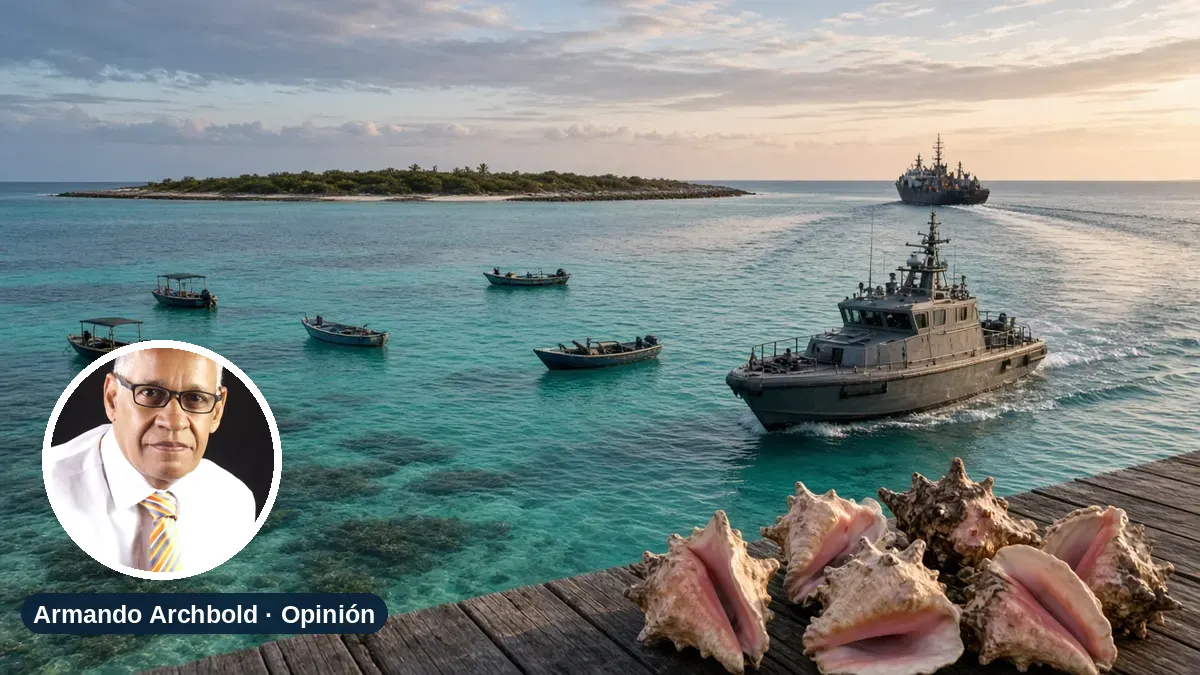
For the Archipelago, the turn in Washington is not an abstract Bogotá debate. The Caribbean maritime border, the Navy and antinarcotics presence, and the security perception that feeds tourism depend in large part on how bilateral cooperation is funded and conditioned. If a Democratic Congress tightens the budget or demands more emphasis on development and rights, that can reshape — not necessarily end — cooperation at sea and on land. What is at stake is not whether there will be a relationship with the United States, but under which rules and with which check.
Bottom line
- Not a rupture: Darién geography, extraditions, trade and regional security still bind both countries.
- Yes, a change of terms: less room for a purely military and spraying agenda; more human rights, development and budget oversight.
- The U.S. executive still steers foreign policy; the money and the oversight now run through a Democratic Congress.
In practice, the Colombian government will need to diversify interlocutors in Washington and adjust the emphasis of its security strategy if it wants to keep the flow of resources. Of the scenarios on the table before the midterms, this is the most restrictive.
Armando Archbold, journalist (Externado) with a master's in politics, editor of WiNyuuz
Sources
- AP — Democrats win control of Congress in rebuke to Trump
- NBC News — Democrats win Senate and House control (2026 midterms)
- The Guardian — Midterm results 2026
- EFE — De la Espriella announces joining Shield of the Americas
- U.S. State Department — Intent to announce USD 1B security package
- AP — 300+ U.S. troops for joint training in Colombia (Tolemaida)
- Bloomberg Línea — Door opened to glyphosate aerial spraying
- Caracol — Meeks calls De la Espriella’s Salazar endorsement unacceptable